a letter from the founders
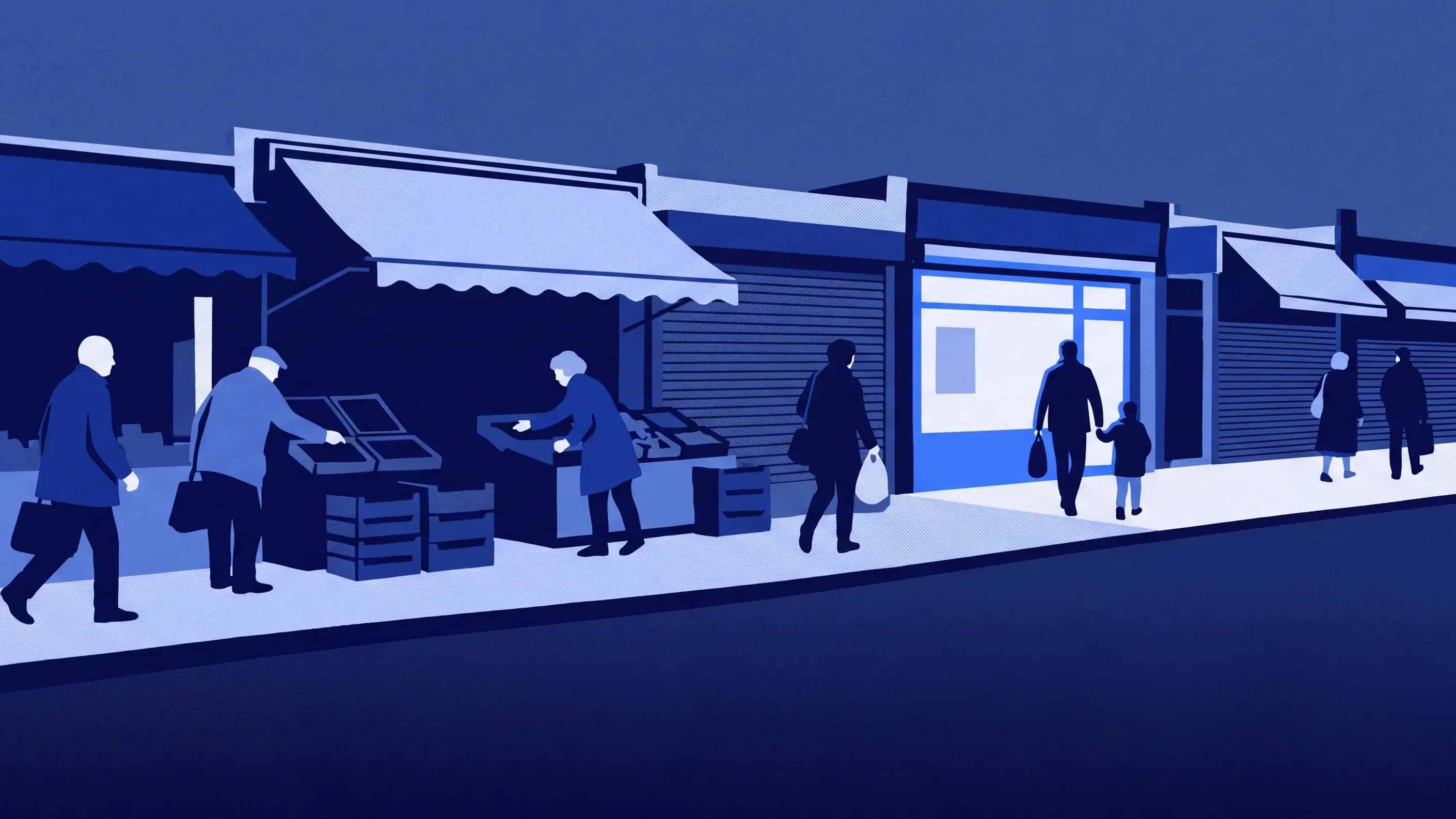
Every neighbourhood deserves a store that works.
For the stores that stay open late for the rest of us.
Ari has taken five bankrupt stores to profit in his life: four supermarkets and one jewellery franchise.
The problem was always the same: stock. The order was a guess, the shelves did not match the neighbourhood, and every mistake waited in the back room until it was binned. The stores were not failing at selling. They were failing at ordering.
So he cut, counted and rebuilt, store by store, year after year, until the ordering worked. Along the way he ran and sold the jewellery franchise, built its production line, and crossed half the world making the connections to do it.
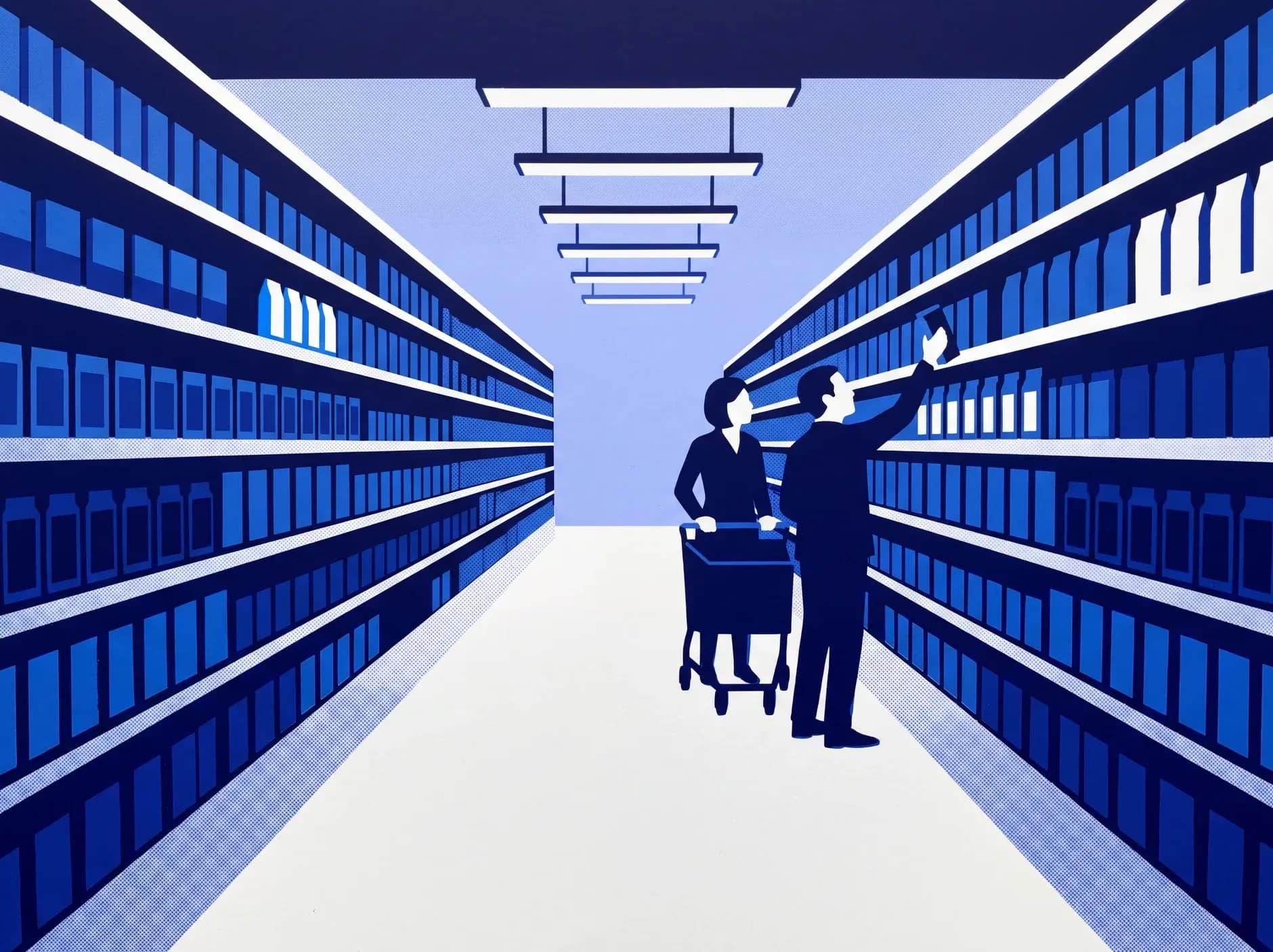
What turned those stores around was asking, before every single order:
- 01
what the customers need
- 02
what area the store is in, and who it serves
- 03
what people buy for their daily lives
- 04
what actually sells, not what is pushed
Most stores never ask. Ari asked every day, and the answers took him from five bankruptcies to steady profit. Panlytics is that method, written into software: stock that matches what your customers want, shelves that never sit empty, orders that sell through.
The effect does not stop at the store. Staff stop minding products that never leave. Fewer trucks arrive, less CO2 is burnt, and nothing is overproduced just to be thrown away. The benefit runs up the whole production line.
I am the technical half. Three years in ecommerce, $30,000 earned online, an ERP system I built and scaled to $10,000 a year for my previous startup, eto.tools. When Ari and I met, it was the same problem from two sides. He brings the method. I build everything you see.
Both of us want the same thing: zero waste. It will be really, really hard. We will work on it for as long as it takes. That is how you save the world: one store at a time.
Aayan and Ari, founders
The founders.
- AriCo-founder and CEOTook five stores from bankruptcy to profit: four supermarkets and one jewellery franchise.
- AayanCo-founder and CTOBuilt and scaled an ERP for his previous startup, eto.tools. Now builds this.
Half an hour, no deck. Bring a report and we will read it with you.
You are writing to a founder, not a queue. Why we started it